introduction: in the us cloud server hosting environment, automatic expansion and disaster recovery are the core strategies to ensure business continuity. this article focuses on "automatic expansion and disaster recovery us cloud server hosting plan to improve business continuity", analyzes key technologies and implementation points, and helps technology and operation and maintenance teams develop reliable high-availability deployment plans.
the core value of american cloud server hosting
us cloud server hosting provides stable infrastructure, network connectivity and compliance support, which is especially important for multinational businesses. through managed services, enterprises can focus on application optimization and business logic, leaving hardware maintenance, computer room security and basic network redundancy to professional team management, thereby improving overall availability and recovery capabilities.
key points of the auto scaling mechanism
automatic expansion triggers elastic scaling by monitoring indicators to ensure service availability during peak traffic times, and reduces resources during low load times to optimize costs. the key points include reasonable indicator thresholds, cooling time settings and startup image optimization to ensure that capacity expansion is fast and does not cause cascading failures or waste of resources.
disaster recovery design and multi-region deployment strategy
the disaster recovery design should include multi-availability zones or multi-region redundancy, combined with off-site backup and failover strategies, to reduce the impact of single points of failure. deployment needs to weigh delay, cost and consistency, and verify the switching process through active failure drills to ensure that the business can be quickly restored when the primary site is unavailable.
data synchronization and consistency guarantee
the key to data layer disaster recovery lies in synchronization strategy, including synchronization frequency, replication method and conflict resolution. synchronous replication or semi-synchronous solutions are recommended for systems with high requirements for strong consistency; applications that are sensitive to latency but can tolerate eventual consistency can use asynchronous replication to reduce write latency and cost.
monitoring, alerting and automated recovery
continuous monitoring and alerting enable automatic expansion and disaster recovery strategies to be effectively implemented. it is recommended to establish end-to-end monitoring, service health detection and automated recovery scripts, combined with runbooks and event response processes, to ensure that fault isolation and recovery can be completed automatically or semi-automatically when an exception occurs.
balancing compliance, performance and cost
in a us cloud server hosting environment, data sovereignty, compliance requirements and performance goals need to be balanced. a reasonable disaster recovery solution should adopt tiered storage and on-demand capacity expansion strategies to optimize costs and ensure high availability of key services while meeting regulations and slas.
implementation suggestions
implementation suggestions include: first conduct risk assessment and key business identification, and set rto/rpo goals; deploy automatic expansion and cross-region disaster recovery in stages; conduct regular drills and capacity tests; and establish a complete monitoring and operation and maintenance process to ensure sustainable optimization and iteration of the solution.
summary and suggestions
summary: by combining automatic expansion and disaster recovery measures in us cloud server hosting, enterprises can significantly improve business continuity and risk resistance. it is recommended to formulate hierarchical strategies based on demand, and continue to drill, monitor and optimize to form a verifiable high-availability operation system.

- Latest articles
- Popular tags
-

US Regional Server Addresses: How To Determine The Data Center Level And Bandwidth Quality Based On The Address
It explains how to determine the data center tier and bandwidth quality using U.S. regional server addresses, covering key aspects such as IP lookup, ASN identification, Tier standards, links and interconnections, as well as actual latency and packet loss measurements, to help choose the right data center and bandwidth plan. -

Tips For Choosing A Suitable Us High-defense Server Monthly Rental Plan
this article will provide you with tips on choosing a suitable us high-defense server monthly rental plan to help you make more informed decisions in network security. -
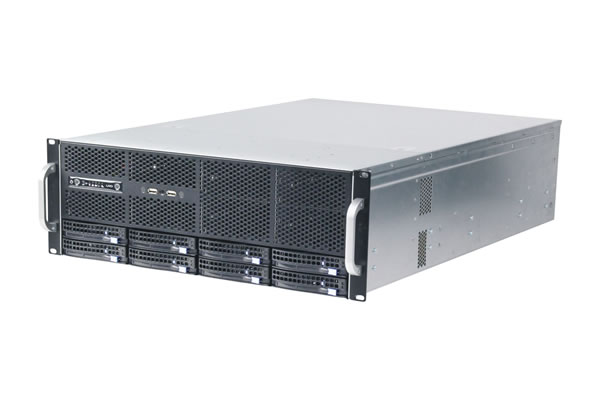
Types Of Us Hosting Server Equipment And Their Performance Comparisons
discuss the types of hosting server equipment in the united states and their performance comparisons to help enterprises choose suitable server solutions.